
Two key factors shape the success of any AI dubbing project: selecting a technologically advanced localization partner and preparing your original content for global adaptation.
An ideal AI dubbing solution requires advanced technological infrastructure that can:
- Adapt to diverse content types
- Maintain linguistic and cultural authenticity
- Reduce production time and costs.
Ollang's AI dubbing solution meets these requirements, turning complex multilingual production into a structured, strategic process.
A Roadmap to AI Dubbing Success
Below, we’ve outlined a checklist of best practices to help you prepare your video content for AI dubbing.
Before we get into the details of preparing your content, let's walk through how Ollang actually makes AI dubbing work.
When we show you our approach first, you'll see why each preparation step matters. Think of it as putting together a puzzle – knowing what the final image looks like helps you place each piece in the right spot.
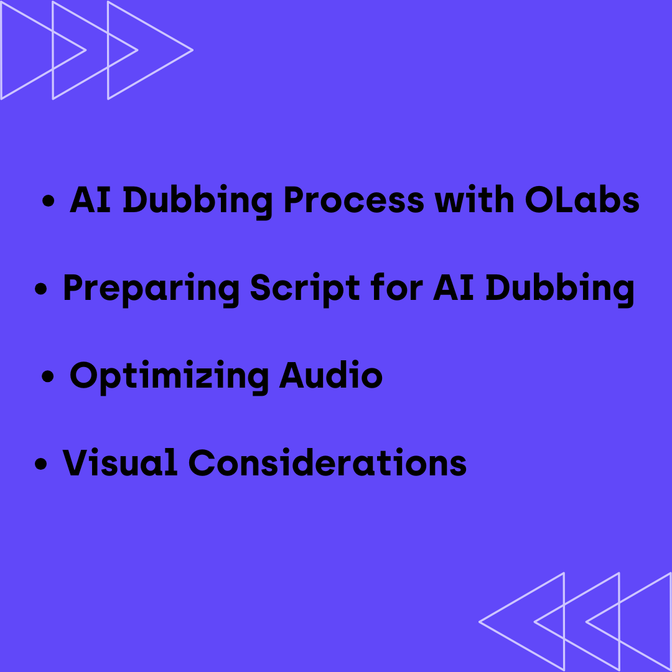
AI Dubbing Process with OLabs
Multilingual dubbing projects can be daunting, but OLabs simplifies them into a cohesive, end-to-end process.
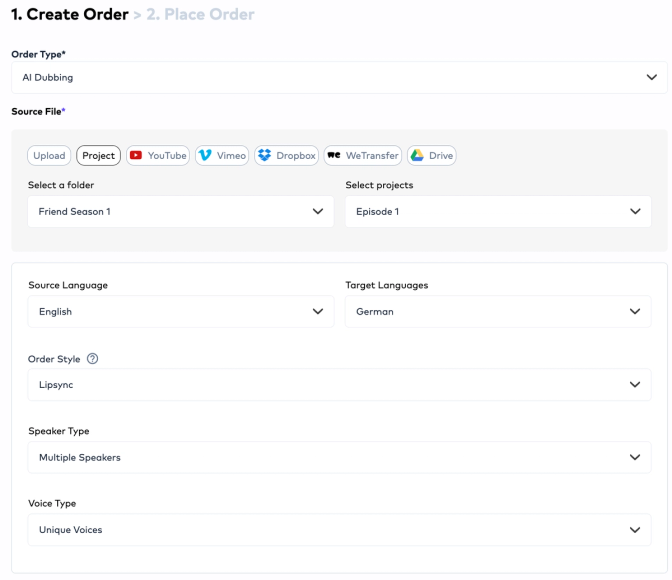
① Complete Localization Workflow
With OLabs, there’s no need to start with a pre-existing dubbing script. The platform creates one for you by combining AI tools and professional translators to generate precise closed captions and subtitles in multiple languages. This integrated workflow eliminates the need for extra tools and manual coordination.
② Voice Options to Fit Your Content
We know one voice doesn't fit all content. Our voice options include:
» Pretrained AI Voices: Offers a diverse selection of natural-sounding voices for quick results.
» Cloned Voices: Ideal for maintaining character identity or brand consistency by replicating specific voice actors.
» Unique Voices by Ollang: Original AI-generated voices that capture the tone of the original speaker without cloning. Distinctive sounds tailored for enterprise partners.
③ Expert Refinement by AI Dubbing Editors
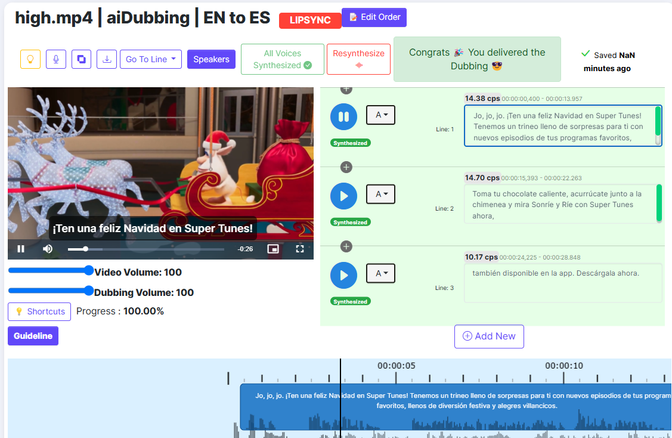
Our team of AI dubbing editors fine-tune the timing, tone, and flow of the dubs, which ensures a polished, natural result that connects with viewers.
④ Revising and Editing Tools
Our enterprise partners can request revisions directly on the platform, while subscribers can use built-in editing tools for self-managed adjustments. This adaptability reduces delays and maintains control over the dubbing process.
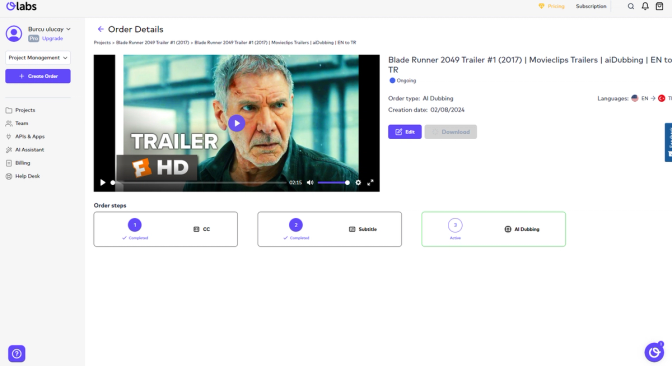
By bringing these elements together, OLabs tackles common challenges like managing multiple vendors, inconsistent quality, and tight deadlines.
But even the most advanced technology relies on quality input. In the following sections, we'll go through the crucial preparatory steps that ensure your content is primed for exceptional AI dubbing.
Preparing Your Script for AI Dubbing
Your script is the foundation of effective AI dubbing. These guidelines help you create content that translates accurately and maintains its original impact:
① Prioritize Clarity
Use clear, everyday language to make your content easy to understand. Avoid complex terms or structures that could confuse the AI and your audience.
② One Point at a Time
Each sentence should communicate one clear concept. This approach:
- Improves translation accuracy
- Reduces misinterpretation risks
- Enhances viewer comprehension
③ Shorter is Better
Split long sentences into shorter ones for clearer delivery and smoother lip-syncing in the final dubbing.
④ Avoid Slang and Idioms
Slang and idioms can be confusing when translated. Use universal expressions to maintain clarity across languages.
⑤ Think Beyond Literal Translation
Adapt the wording to capture the intent and spirit of the message. This will ensure it resonates with the target audience.
Optimizing Audio
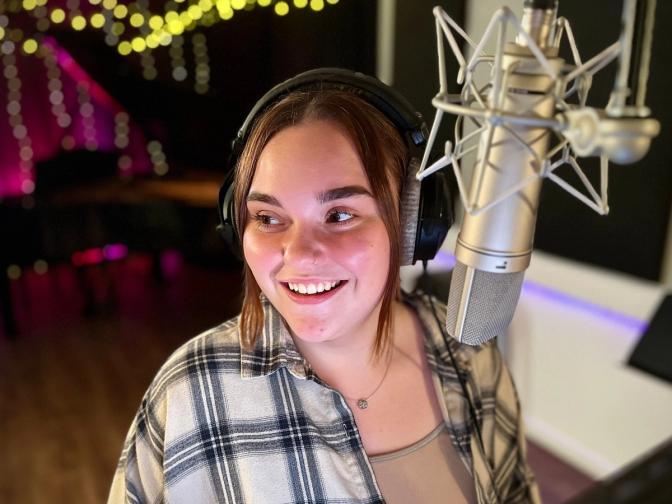
But a perfectly crafted script is only half the battle. The quality of your audio recording is equally critical in creating a seamless AI dubbing experience.
① Minimize Background Noise
Record in a quiet space, away from traffic, air conditioning, or other distractions. Even subtle background noise can impact the dubbing process.
② Use a Quality Microphone
Invest in a reliable microphone to capture clean voice recordings. For dynamic microphones, keep the distance between your mouth and the mic at 5-15 cm (2-6 inches). For condenser mics, maintain a range of 10-20 cm (4-8 inches) for best results.
③ Control Your Recording Environment
Record indoors with sound-absorbing materials, like curtains, to reduce echo and improve clarity.
④ Maintain a Consistent Distance
Keep a steady volume and consistent distance from the microphone to achieve balanced audio levels throughout.
⑤ Use a Compressor
Apply audio compression to smooth volume fluctuations and maintain consistent sound levels.
⑥ Record Voiceovers Separately
For videos with significant background noise, record voiceovers in a quiet environment to ensure clean AI dubbing.
Visual Considerations
Now, let's turn our attention to the visual considerations that can make or break your AI dubbing project.
① Minimize Distracting Movement
Unnecessary motion can:
- Complicate lip-sync algorithms
- Reduce viewer comprehension
- Create visual inconsistencies
② Ensure Clear Facial Visibility
Keep hats, scarves, or large graphics away from the speaker's face to ensure their mouth is visible. Focus on the face during dialogue.
③ Show Genuine Emotions
Avoid forced or exaggerated facial cues, as they can make the AI-dubbed voice feel disconnected from the visuals.
④ Maintain a Natural Speaking Pace
Ensure the speaker enunciates clearly and avoids rushing. Allow pauses between sentences for a natural flow.
⑤ Align Visuals with the Script
Enhance comprehension by matching on-screen visuals to dialogue. Example: During a product demo, show close-up shots of the product as it’s mentioned.
Our lip-sync optimization and experienced editors align audio with video seamlessly, but clear visuals help maximize the final output’s impact.
Some approaches might not fit certain content types or audiences.
Local-heavy series, for example, may rely heavily on cultural nuances and idioms. These challenges are best addressed with AI’s efficiency and the oversight of skilled translators.
Key Benefits of AI Dubbing You Need to Know
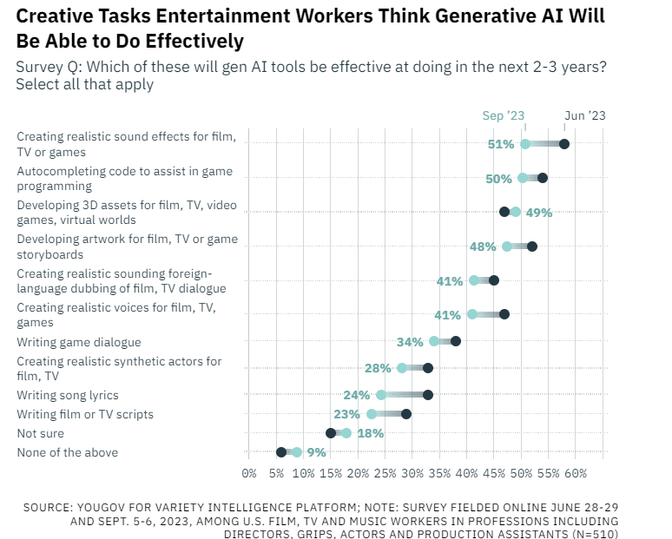
Over 40% of entertainment industry professionals now believe AI can effectively produce realistic dubs and subtitles.
✓ Cost-Effectiveness Traditional dubbing can be expensive, involving voice actors, studios, and sound engineers. AI dubbing significantly cuts these costs.
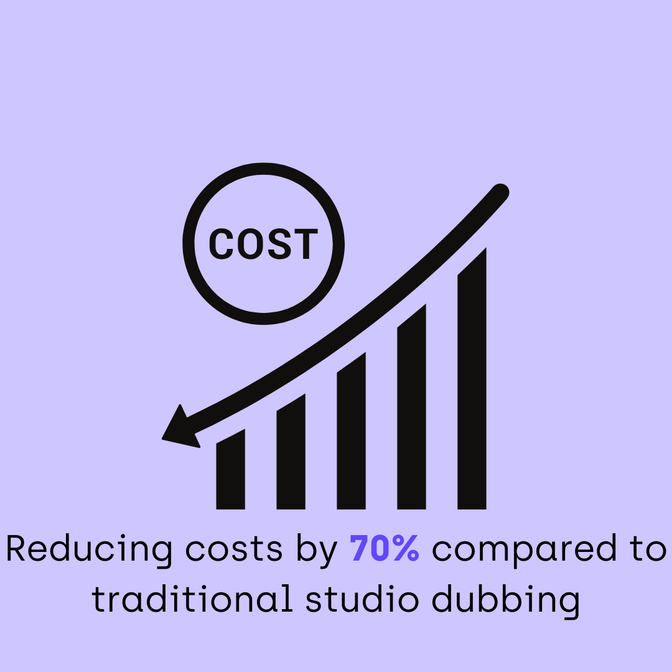
For instance, when we provided AI dubbing for an enterprise partner's animated movie, they reduced their costs by 70% compared to traditional studio dubbing. With Ollang’s humanlike AI voices crafted for each character and AI editors refining the initial dubs, our partner enjoyed high-quality results while avoiding the higher costs and long delivery times of conventional methods.
✓ Speed and Efficiency
AI dubbing speeds up the localization process by translating scripts and generating dubbed versions much faster. For example, a 90-minute movie that could take up to four weeks in studio dubbing, factoring in potential delays for actor availability and studio schedules, can be completed in no more than 10 days with AI dubbing and human editorial oversight. This rapid turnaround is vital for series and TV shows that operate on tight release schedules.
✓ Scalability
With OLabs, you can produce high-quality AI dubbing in over 100 languages. This wide-ranging capability opens new doors for content creators, streaming platforms, filmmakers, and localization teams looking to expand their content’s reach and optimize their workflows.
AI dubbing is a valuable solution for meeting growing localization demands without compromising quality.
Why AI Dubbing Editors Are Essential
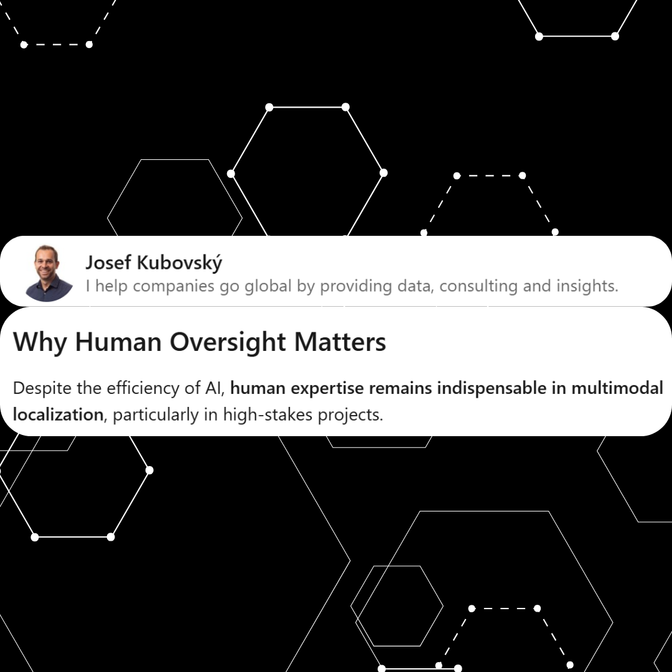
"Despite the efficiency of AI, human expertise remains indispensable in multimodal localization, particularly for high-stakes projects,” comments Josef Kubovský, Chief Executive Officer at Nimdzi Insights.
He emphasizes the challenges of cultural nuances and emotional resonance in dubbing, advocating for a hybrid approach to multimodal localization. Kubovský states, “[Hybrid] workflows combine AI’s speed and scalability with the creativity and cultural awareness of human professionals.”
At Ollang, we’ve embraced this hybrid model by offering AI dubbing for the past several years. From the outset, we began training specialist AI editors who refine AI dubs to address challenges in the following areas.
» Cultural Sensitivity
AI struggles with subtle cultural references, idioms, and humor that don’t translate directly. Our editors adapt scripts and audio to maintain the original tone while making content relatable and authentic for new audiences.
» Handling Complex Audio
Scenes with overlapping dialogue, background noise, or sudden sound effects can confuse AI models, causing timing and clarity issues. These outputs are meticulously reviewed and adjusted to ensure every voice is clear and well-integrated with other audio elements.
» Managing Accents and Dialects AI voices often lack the flexibility to replicate regional accents or pronunciation nuances. Our editors modify outputs to reflect local speech patterns and collaborate with Ollang’s voice team to create tailored voice models when needed.
By placing AI dubbing editors at the center of the process, Ollang delivers content that feels authentic and engaging to audiences around the world.
But what makes such nuanced localization possible? The answer lies in a platform that goes beyond traditional service models.
Top Features That Make OLabs the Go-To Platform
OLabs is a robust localization platform that streamlines workflows and ensures outstanding results.
✓ Unified Platform
Manage subtitling, closed captioning, and dubbing from one centralized dashboard. This unified approach minimizes complexity and saves you time and effort.
✓ Secure and Scalable
Your content is secure with AWS S3 and MongoDB Atlas encryption for data at rest, SSL/TLS and DDoS protection for data in transit, plus IP whitelisting and firewalls. Whether you're working with sensitive content or scaling your projects, the platform adapts to your needs without compromising security.
✓ Customizable Solutions
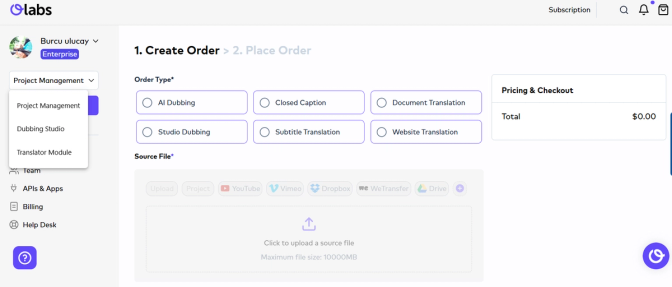
OLabs goes beyond standard localization services. From unique synthetic voices tailored to each project to full studio dubbing, we customize solutions to meet your specific requirements and quality standards.
✓ LLMs and Multiple AI Agents
Multi-agent AI chooses best LLMs/engines and AI components while multimodal structure processes text, audio and video effectively.
A Shift, Not a Replacement
AI dubbing is shifting how the industry operates and the roles involved.
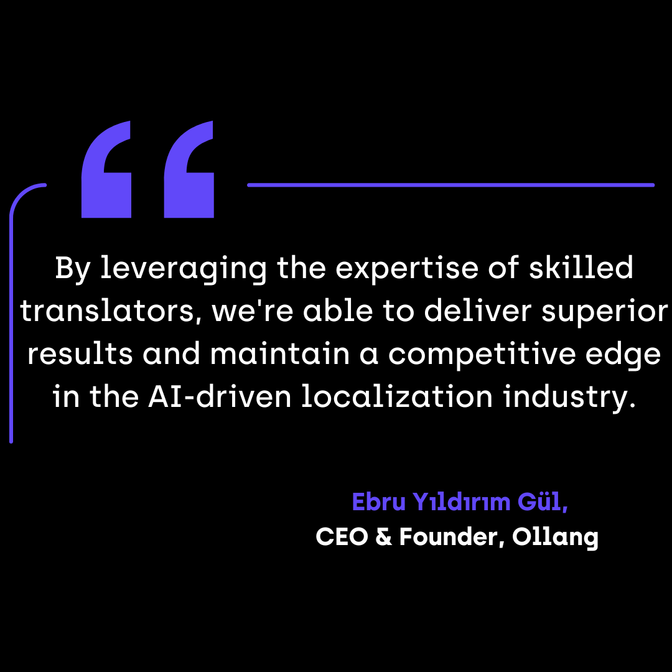
As Ollang’s CEO and Founder, Ebru Yıldırım Gül explains, “By leveraging the expertise of skilled translators, we’re able to deliver superior results and maintain a competitive edge in the AI-driven localization industry.” This approach reflects the growing adoption of AI-assisted dubbing, supported by expert editor oversight.
While AI dubbing is growing, studio dubbing will remain vital for certain content types. However, integrating AI-enabled workflows into studio processes will make them more efficient. The key takeaway is that AI is not replacing humans or traditional methods. Instead, we’re seeing greater integration and efficiency.
Fill out the form to consult with our partnership team on localization needs. You can also contact us at info@ollang.com for any inquiries.