
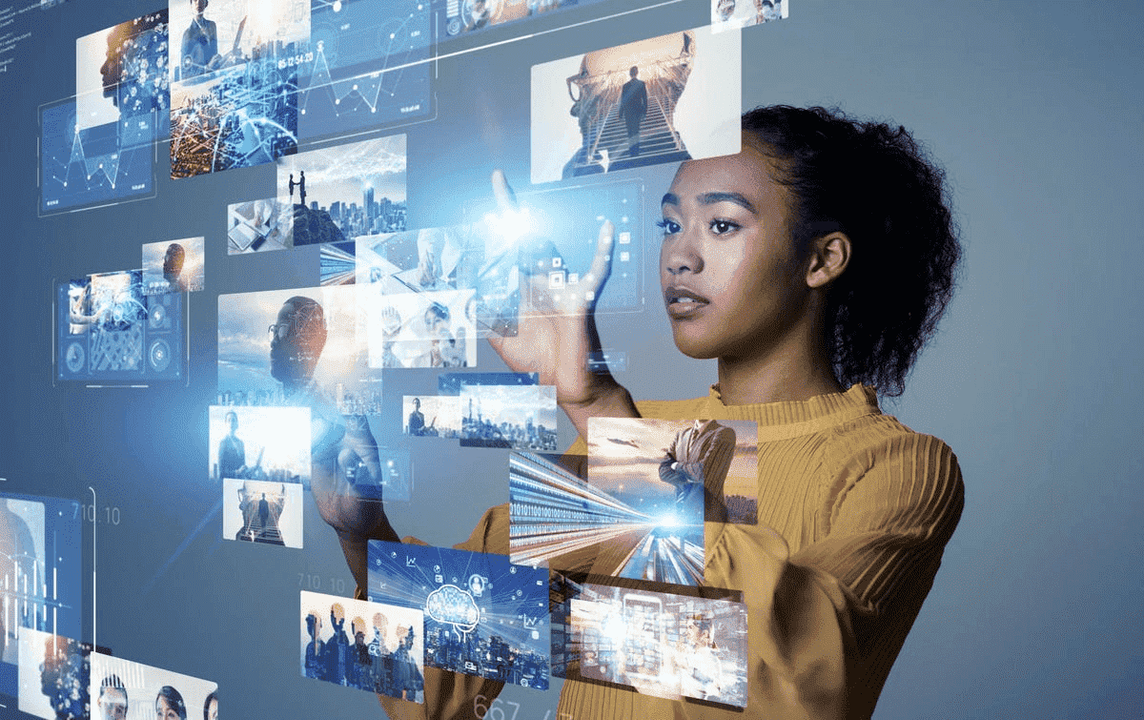
The creator economy has flourished massively, with millions of individual creators on one side and hundreds of social media platforms as well as creator-focused startups on the other. Investors are pouring millions into the companies (which may include creators and influencers among its founders) which build tools that help creators monetize their content and grow.
The ecosystem spans across different segments such as content creation, publishing, monetization and audience engagement. Creators are defined by the kind of occupation they engage in, including but not limited to vloggers, bloggers, writers, influencers, podcasters and online course trainers.
Audiences are the recipients of the digital content produced in meteoric numbers every day through digital platforms and brought to them by the content creation and publishing tools. (You can find a deep dive into the field here).
Funding to Creator-Focused Startups Have Soared
According to a survey led by CBInsights, while the amount of investments in the creator economy amounted to $109B in 2016, it saw a whopping $1.3B in 2021. Not every media category attracts the same attention, though. Among others, audio, video and streaming content platforms led the way in raising the vast majority of VC funding, accounting for 80% of total venture capital invested into the passion economy between 2015 – 2021.
Sequoia Capital is a VC firm which has invested in Protégé and Newness as part of their creator economy dealings. "They make so much of the great content that entertains and educates us, but the social platforms tend to be the ones that make all the money," Jess Lee, the partner and Chief Product Officer of the firm, explains. The goal of the firm is to support the creation of a more sustainable playing ground for creators. "I'm on the lookout for companies that will allow creators to finally be compensated fairly for all the great value they provide."

One can’t help wondering what distinguished, for example, Protégé from other creator-focused companies that it achieved to receive investments from Sequoia Capital. “Our mission is to democratize access to your dream career.” So explains the company regarding the motive behind their business. Their system seems to run quite smoothly: You are a creator, looking for a way to connect with an audience that your work will appeal to. You upload a 60-second content to the platform and the rest is to wait and hear from the “best experts in the world.” They guarantee a response to every video and aim to provide them with “a shot at a life-changing opportunity”. Spotting premium content and making it accessible to a wider global audience is a precious purpose. As companies such as Protégé gain steam and more videos become reachable through different platforms, the demand for multilingual content creation will increase. No content creator should remain unheard; that’s why, as Ollang, we call every content creator to “Localize Your Content, Globalize Your Reach” with subtitle translation and via dubbing into multiple languages.
Why Invest in the Creator Economy?
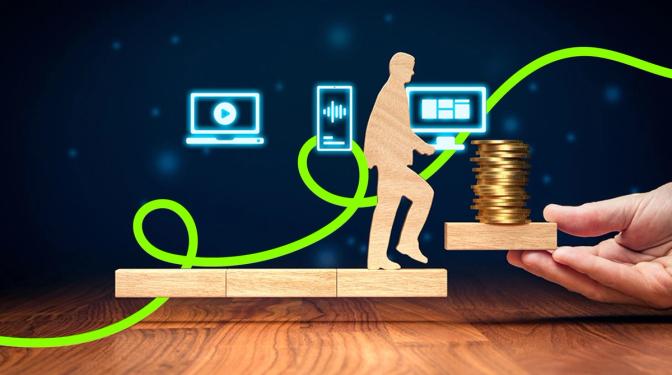
The total creator market size was estimated to reach $104.2 Billion by the end of 2022, with 200 million creators amassing large audiences. Faced with economic recession, brands and companies can consider cutting a portion of the generous budgets of the past few years but we don’t have a reason to expect a dramatic slow-down.
As is the case with every burgeoning business, players and trends shaping the field constantly change within a background of broader societal dynamics such as Covid-19 pandemic and the financial and health crisis in the aftermath of it. However, from a perspective based on the current circumstances, four major trends can serve as a north-star while deciding the next move in the space:
1. The rise in digital content creation and consumption
What to know:
- According to CISCO trends, global internet users are expected to increase from 51% to 66% of the total population between 2018 and 2023.
- Digital media consumption is forecast to hit 503 minutes, or eight hours and 23 minutes, in 2023. YouTube amasses more than 2 billion users worldwide, almost 5 billion videos are watched on Youtube every day and 500 hours of video are uploaded every minute. (Source: YouTube)
2. The growth and diversification of digital distribution channels
What to know:
- Widely-used social media channels will keep growing and remodelling themselves for a more conscious and demanding audience. Also, more creators will launch their websites, upload their videos to alternative streaming platforms and use podcasting and email newsletters to connect with more people.
3. The increase in the number of talent management agencies
What to know:
- Gushcloud, JellySmack and The Ministry of Talent are noteworthy companies serving as a negotiator by matching brands with right creators and influencers. Besides, they optimize video content for different platforms and use AI-based analytics to track the growth and engagement metrics of a creator.
4. Advances in technology
What to know:
- Artificial Intelligence (AI) and Machine Learning (ML) have drastically changed the way we create, localize and distribute content. Putting fears and doubts surrounding this positively disruptive technology aside, one can recognize the distinct benefits of using AI for the good of people: Saving time, reducing content production and localization costs and yielding more accurate results.
Several Scenarios for Startups and Entrepreneurial Companies
The emergence of startups and enterprises was born from a playing field where only a select few get all the rewards. Big social media platforms allowed creators to amass large followings, but left them with limited avenues for monetization. The trade exchange between platforms and creators is mainly built on advertising revenues, with the platform in question paying creators a small percentage of the sponsored advertisements on their content. If you are not a mega-creator with millions of subscribers and monetize yourself with extra revenue streams, you become so called “middle class” creators who cannot make ends meet easily, let alone earn high amounts of money, by solely depending on content creation efforts - the job you love and truly identify with.
Unsurprisingly, creators began to look for opportunities to grow beyond ad-revenues, and that was where startups and enterprises stepped in the scene. Such companies can explore several business models, and these include:
- Software as a Service (SaaS) for Creator Tools
- Direct Fan Subscriptions
- Brand Collaborations
- Audience Engagement
- Monetization Management.
Will startups be able to utilize the opportunities to empower both creators and themselves? Will social media giants such as YouTube and TikTok rev up and increase their creator-funds? We will see. What is foreseeable is that ventures that help creators with their specific brands and niche business needs will emerge as the winners in the long run and receive commitments from big investors in the space.
So, what’s next?
Apparently, making room for more innovative and inclusive creator-focused systems that help build a wider pool of creative talents will be a win-win situation for all parties taking a role in the growth of the market. That’s why it has drawn important investments from well-known investors, including Andreessen Horowitz, Northzone, Lightspeed Venture Partners, and others. In an effort to fight to keep creators on their platforms, social media platforms such as YouTube, Facebook, and TikTok have formed their own creator funds and announced that they would arrange their algorithms to increase the visibility for creators and improve their tools to allow creators to create more engaging content such as short videos.
Companies that empower creators with the solutions they offer will become more diversified and they will begin building partnerships across different functions. Creators, agencies, social media platforms and brands will recognize the benefit of localizing content with subtitles and dubbing into global languages: Maximizing the value of your existing content by making it reachable to the world and building identifiable relationships with your audience in their languages.
The use of AI in video localization will help overcome obstacles that set millions of creators apart from international audiences. When strengthened by human’s creativity and used for the good of people, AI can be a great way to save time, reduce costs and get the heavy work done, thus enabling creators to focus on the creative side of their engagement.