

A study conducted byPLYmedia, a reputable tech company developing SaaS solutions, showed an increase of 40% in views on captioned videos, pointing out that the rate of people who are likely to watch a closed-captioned video till the end is 80%, which is far more than uncaptioned videos.
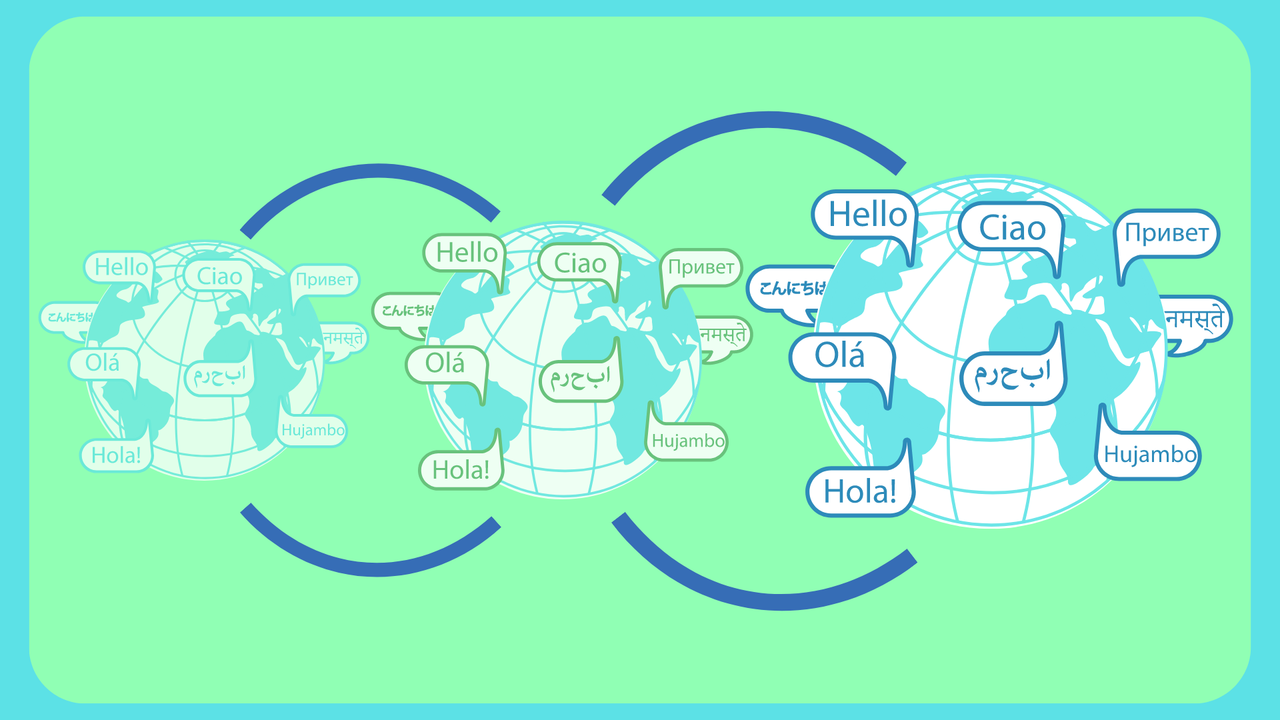
With more and more people shifting from traditional marketing strategies to producing video content on YouTube, Netflix, Amazon Prime, and the like, increasing views have become one of the nail-biting concerns of media content creators. Creating video content and publicizing it are poles apart; irrespective of how exceptionally admirable the content is, you might fall short of your expectation concerning the number of people watching it. Media technologies have made it easier today to reach out to audiences globally, and here is when adopting a glocalization strategy, transcription and closed captioning video content come to play.
In explicit language, closed captions are a text version of a video timed precisely with the spoken part, while transcription is a text describing a video's content that appears below it in a space provided by a social media platform.
Transcription is a part of video search engine optimizations (SEO) that helps search engines like Google, index and rank your video in their search results, thus increasing views.
In a bid to check the validity of the fact if transcription and closed captions have anything to do with increasing views at all, Discovery Channel conducted 16-month research by adding transcription to their videos and close captioning it. They concluded that over a fortnight, their average video views increased by 7.3%. Now that is a whopping number keeping in mind how extensive Discovery Channel Network is.
So there is no assumption here but clear logic!
Now the question arises, why is there such an increase in the views of closed-captioned videos?
To speak geographically, 1 in 20 people in America alone are deaf or hard of hearing. According to National Institute on Deafness and Other Communication Disorders (NIDCD), 15% of American adults above 18 report some trouble hearing. That makes some 37.5 million people of America dealing with hearing issues.
By adding transcriptions and closed captions, you are letting a vast audience reach your video content globally.
Why adopt a “glocalization” or “localization” strategy?
Translating video and adding closed captions require a personal touch and understanding of the local mindset. Colloquially defining the videos takes in-depth knowledge and the art of transcreation.
In layman's language, "localization" means to optimize a brand selling a product or service in a suitable way for the local audience of a region, taking into account their cultural values. "Glocalization," derived from the words "globalization" and "localization," is more extensive as it refers to introducing a global brand to suit the needs of people belonging to different regions in terms of universalizing and transforming it so that local people accept their brand wholeheartedly.
As the world has become smaller with the advent of the internet, you have the opportunity to use the best of any online platform in the most lucrative and remunerative way to make a place for yourself in the competitive world of today. Glocalization strategy works wonders in increasing views and getting established in the market.
It can be said rightly that closed-captioned videos stand a high chance of being watched, therefore, increasing video views considerably.
Globally speaking, according to data by the World Health Organization (WHO), around 5% of the world's population, i.e., some 430 million people, are dealing with difficulties hearing.
There is practically no other way for them to enjoy a video if it's uncaptioned.
Not only this, according to research by Ofcom, the United Kingdom's government-approved broadcasting regulatory and competition authority, 80% of people watching videos with closed captions are not deaf or hard of hearing at all. Ofcom concludes that the environment people are in plays a huge role in determining this behavior.
Speaking broadly, language operations require precision and skill and include all that can make your video content fulfill its purpose. With years of experience in the industry, Ollang Media Technologies has been rendering insightful services in translation, dubbing, transcription, and localization of video content. Offering 30+ languages to clients globally, Ollang is like a cord between video content creators and their audience. Lets’s have a look at Ollang Closed Captioning Services and explore the online world vividly.