
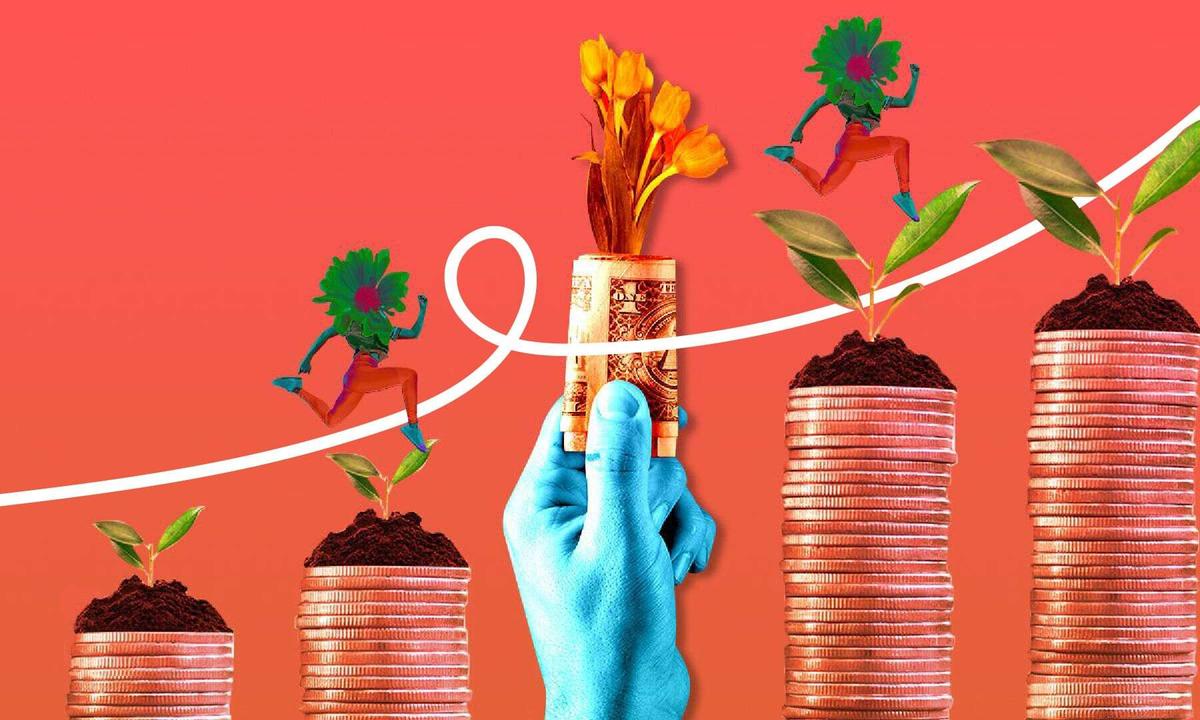
If the most recent storm taking the culture industry is the creator economy, the “wind-riders” are none other than the key players who shape the ecosystem. Now, for those unfamiliar with the creator economy, this argument may sound too bold. But this is not just our personal insights. In fact, industry surveys and multiple research pinpoint the substantial growth the creator economy has been experiencing, especially since the early 2000s when social media platforms began gathering steam.
Still unconvinced? Then, dear audience, please have a look at these numbers which show not just the current size of the market but also signal the direction where the creator landscape heads to.
The Creator Economy is thriving
- The market size is 200 million creators.
- The total creator market size was estimated to reach $104.2 Billion by the end of 2022.
- The influencer market is estimated to reach 24.5 billion by 2026.
Investors on the Stage
What would you expect to see in a field which promises endless revenue opportunities and a relatively untapped, burgeoning financial vein? Bingo! Investors targeting the creators as well as 300+ startups which support creators to run their businesses.
Creator-focused companies have seen a record $1.3B in funding in 2021 alone, and this is almost three times more than the previous year’s $464M. Taking a quick peek at the competition among the categories themselves, we see that audio, video and streaming content platforms receive the vast majority of VC funding. In fact, these verticals which define themselves as the content creation platforms drew over 80% of the total venture capital invested into the passion economy between 2015 – 2021.
Without the mention of top social media platforms, the picture would be missing. They have invested billions in funds, content creation tools and monetization products so far. Some of the areas where these investments have flown into include creator funds, iteration of subtitling and captioning tools embedded into the platforms and multiple initiatives offered to help brands and marketers find the right creator or influencer for their marketing purposes.
The Creator Universe Is Booming. Have Not Entered It Yet?
Then, simply keep reading the article to learn more about the creator ecosystem and why investors have been pouring money into the market.
The rest of this article includes:
- 4 Major Players of the Creator Economy
- Social Media Platforms Have the Broadest Audience Reach. Then, Why Do We Need Startups?
- How to Create a Fairer Playing Field for the Two Ends of the Funnel
- Increase in Internet Users and Globalization of Content Consumption
- What To Consider Before You Invest in the Creator Economy
4 Major Players of the Creator Economy
The creator economy refers to an ecosystem built by individuals who try to make a living off of their creations or skills. Creators come in various forms such as vloggers, photographers, writers, online course trainers, social media influencers and more.
The term also encompasses social media platforms through which creators establish fandoms and reach audiences by sharing their creations. Within the content creation and distribution vertical, there are streaming platforms like Twitch and Spotify and hosting platforms such as Instagram, YouTube, and TikTok.
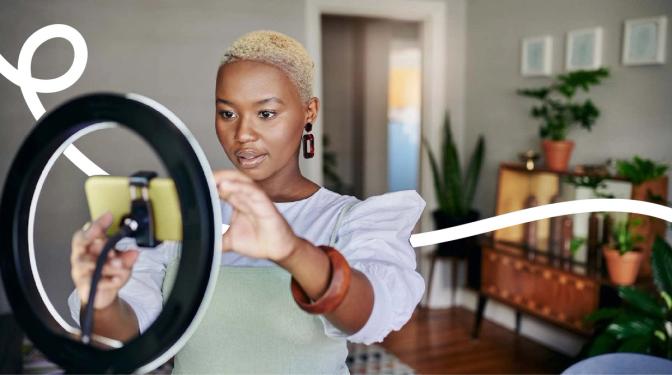
Other important players in the market, startups and entrepreneurial companies, develop tools and offer services with a focus on creator empowerment. An example of this is monetization tools, which support creators to grow their businesses beyond brand sponsorships and ad revenues on social media platforms. Some of these tools include companies offering subscription services, such as Patreon and Substack, as well as those focused on fan interactions, such as Cameo or Buy Me a Coffee.
Audiences are one of the most powerful force shaping and diverting the direction of relationships. The higher the trust and loyalty are between you as a creator and your audience, the higher the chance is that they will come back to see your new productions and content day after day. This brings a deep-seated following, increases chances of widening outreach and being discovered by brands, companies and even investors.
Social Media Platforms Have the Broadest Audience Reach. Then, Why Do We Need Startups?
Social media platforms such as YouTube, TikTok, Instagram, Twitter and Facebook are spaces where creators share their content to tap into an audience reach to an unprecedented extent. In order to understand why creator-focused startups (and investments committed to them) may be a game-changer in helping create a more level playing field in the creator economy, we should first look into the traditional value exchange between creators and platforms.
A process not more different than a simple tradeoff
➼ What platforms offer: Broad audience reach
➼What creators offer: Mostly free content on the platforms
➼Platforms earn: Advertisement revenues coming from brands and sponsorships
➼Creators earn: Audience engagement and a small slice of the overall ad revenue pie
The pain point: Limited revenue opportunities for creators, making it difficult or impossible to earn one’s livelihood from content creation work.
If you wonder how much revenue an average creator makes out of social media ads, it is not higher than ~5% of total income. So, as earning a life off of advertising revenues on their content is out of reach, creators inevitably turn to forming monetization channels as an alternative to advertising gains. They may expand their brand into e-commerce with merchandise and products, offer professional services and courses to online learners and followers, add sponsorships to newsletters and podcasts, organize paid or subscription-based online events - the list goes on.
How to Create a Fairer Playing Field for the Two Ends of the Funnel
Ryan’s World is a YouTuber with 30+ million subscribers and he generated $30 million in consumer products revenue in 2020, which was more than he generated from YouTube ads. However, it must be noted that Ryan’s World and the likes represent the “top-funnel” where creators have millions of subscribers and have every means and support to power their commerce ventures.
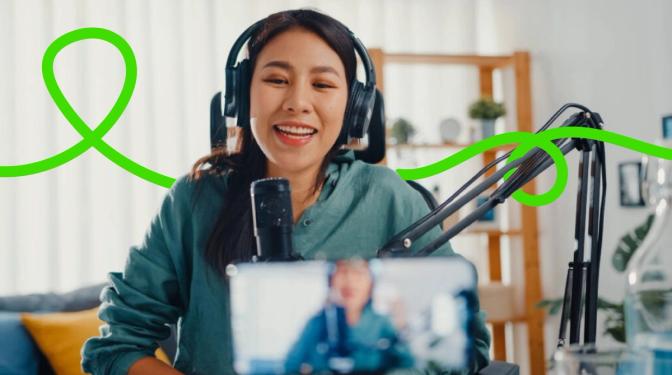
Considering that only 10% of influencers earn $100K or more per year, it is not difficult to understand why companies that seek to democratize “the bottom-funnel” have emerged. As is often the case, much of the innovation is driven by the startup world. Attempts to avoid overconcentration and monopolization caused by the social media behemoths help create a more sustainable future in the creator economy, and startups may take the wheel. However, they should work towards a goal to provide fair compensation and revenue channels and equip creators with the most innovative tools to create content, engage with their fans and reach wider -even global, we’d say- audiences.
Creator economy is maturing, and we are increasingly heading towards a landscape where creators channel all their time and effort into creating and promoting their content and establishing full-fledged businesses. Still, it continues to be seen as a side hustle or hobby by some. In this sense, the heightened interest from investors could bring legitimacy to the ecosystem.
Increase in Internet Users and Globalization of Content Consumption
The rapidly growing realm of digital content and entertainment redefine all verticals in the economy. Not to fall behind the requirements of rising demands, we should put in place tools and solutions that will help create more liberating media, thus allowing a seamless transfer of value online across all geographies and languages.
Audiovisual content consumption exponentially grows all around the world. CISCO indicates that between 2018 and 2023, global internet users are expected to increase from 51% to 66% of the total population. As more and more people access the internet in emerging markets, diversity in the supply side of the creator economy will bloom. Creators from the Middle East, Africa, and Asia will bring unheard, unseen stories from their homelands and cultures to peoples of the world.
The uptick in the rates of internet access and digital literacy across emerging economies will encourage people from all segments of the society to engage with content produced in different languages. In other words, the relatively one-way flow from English to other languages will give way to a more balanced exchange among multiple languages. In such an environment, individual creators and organizations such as streaming companies, social media platforms, broadcasters and e-learning settings will turn to faster and scalable ways to localize the original content.
The most successful professionals have a deep understanding of their client base and offer end-to-end language localization solutions such as subtitles, dubbing and closed-captions.
What To Consider Before You Invest in the Creator Economy
There are some factors that investors should consider before pouring money into a startup or an individual creator.
-First of all, these new startups should incentivize creators, and thus their fans, to spend less time creating and consuming content on the social media behemoths. They should be able to provide a workable alternative to creators who seek more equitable monetization channels. Investors should be careful when assessing the goals and intentions of the startups as not every one of them prioritizes the interests of the creators.
-Investing in businesses that claim to support the creator economy could yield more desirable results if these businesses empower the ecosystem with a range of software tools and solutions that help weave videos, pictures, clips, memes and other types of content into sustainable success.

-Another important point to note is that mega-creators or giant companies operating across the market do not have to be the most profitable and promising investment all the time. In a world where audiences seek authenticity and the sense of identification in the content they consume, inclusivity and accessibility become crucial factors to tap into. So, investors should keep a close eye on the up-and-coming creators and startups as they are more likely to innovate how they engage with their hard-earned audience to stay relevant.
-Last but not least, it must be noted that a new era is fast approaching for the creator economy, and connecting with global audiences will be the shaping force that will flourish the landscape. In other words, we need to streamline the creation of multilingual content via video captioning, [dubbing](https://ollang.com/solutions/ai-dubbing and subtitling. This is vital to be able to talk to your audience in their own language and meet where they are.
A high volume of business opportunities will be created by those who form their core at advances in AI technologies and neural machine translation. These companies unleash the power of scalability, swiftness and cost effectiveness ensured by machines and fuel this potential with human prowess. AI-driven subtitling and dubbing solutions with the human in the process will be the most reliable means to offer painless localization processes and customize solutions to the targeted markets.
In A Nutshell
In the near future, more and more visionary investors and venture capitalists will be drawn to the language localization economy which is the most straight and painless route to reach global markets, attain larger audiences and increase monetisation for anyone owning creative skills. Content creators who localize their content to multiple languages can reach beyond local borders, set themselves apart from the crowd and thus become promising partners for investors.
As a content creator, should you choose subtitles or dubbing? Perhaps both? Which content of yours should you begin with? And which languages? If you have already made your growing plan based on these questions, then you are one step away from getting closer to the broader world. You can either upload your content on Olabs or contact us at marketing@ollang.com. If you have questions about your localization project, we’re always here to help.