
Davon St. Arnaud was in high school when...
…he discovered his passion for animation. He has come a long way from seeing animation as drawing “a bunch of the same thing over and over” to creating unique stories through his Youtube channel “Gingerpale”.
His technique is exemplary of a keen and witty mind: Targeting his efforts to maintain a strong presence in “edutainment” space, he first researches his topic comprehensively and then condenses what he learned into comedic animated videos differing in their lengths from 10 seconds to 5 minutes.
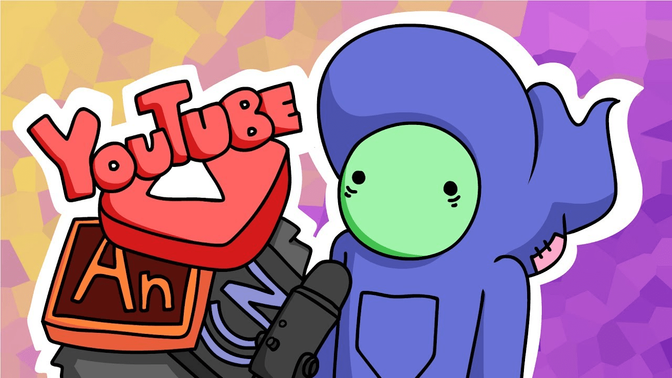
Although his content is mostly educational, he is savvy enough to add a couple of innocent jokes and smart humor to his productions. He created Gingerpale, a blue-hoodie-clad little guy that steers Arnaud’s YouTube channel, to write stories for his 1.54M subscribers.
Youtube Shorts helped him propel his channel views up to 4.5 million just a couple of months ago. By following the latest trends in the Creator’s Economy and keeping his enthusiasm alive, he is well positioned to widen his reach among English-speaking audiences.
But his content may as well sprout up all over the world, spreading to a much larger audience from different cultures and languages.
The story of an ICU Nurse
Now, we are switching to another story where we can see how these two creators can gain global reach by adopting the same strategy as long as it is customized for their specific audience and stories.
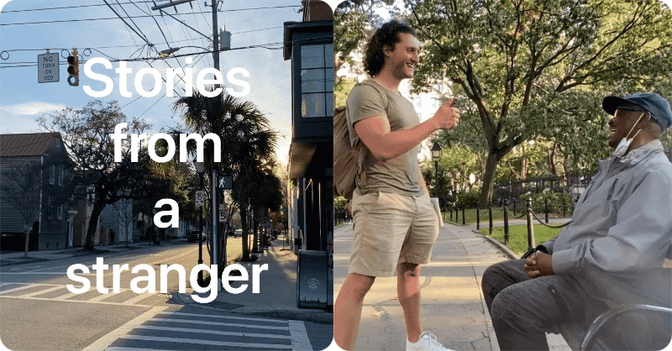
As an ICU nurse during the pandemic, Hunter Prosper started uploading videos to TikTok as a way to soothe himself. However, what brought the tender urge to tell authentic stories to light had been his fourth upload. From that moment to this day, he has been narrating people’s stories, be them the patients he looks after, be them strangers on the street. Prosper’s TikTok channel has more than 4.3 million subscribers now, and brings up to around 80 million views per month.
What makes Prosper even more special is that he adds full-screen captions in large, clear fonts to his videos. Why does he get into all these extra efforts? “...a wonderful comment said they absolutely loved my video, but their little sister couldn’t watch it because she was deaf,” he says in this interview. “So I like to make sure my videos are art for everyone, no exclusions.” In other words, he created a personal style by using video captioning as a way to make his great content more accessible.
Let’s not end the story here
Now we are creating an alternative narrative which will take both of these real-life examples to another world…
…a world which brings people from different linguistic and cultural backgrounds together, paying attention to delicacies of each community without missing that each individual has their own expectations and specific needs when it comes to engaging with content.
How could it be possible to break borders and reach global audiences without sacrificing locality? What difference would it make to adapt your existing content to new geographies by using localization methods such as video captioning, subtitling and dubbing?
The difference is huge: While the stories you narrate in a single language inspire only people who can understand that language, they will be relatable to audiences from all over the world. Localizing varying types of content helps create a more inclusive media landscape while also diversifying the engagement channels and revenue streams for players existing in the Creator’s Economy market.
- The Creator’s Economy Landscape - Part 1 will walk you through an overview of the industrial dynamics. When you see how the landscape is growing exponentially and how key players are switching from a role to another, you may be surprised.
- The Creator’s Economy Landscape - Part 2 (which will be our next blog article to be published here) will specifically address what multilingual content accomplishes for creators and the other stakeholders, and how they can make use of it in the best way possible.
So, let’s begin with some introductory information.
Key Enablers of the Creator’s Economy
The ecosystem is highly flexible and overlapped but it basically includes creators, consumers, advertisers as well as a broad range of businesses and startups that provide services and products to these creators. Grammarly or Canva each set a good example as content creation tools while platforms such as Google Analytics or Social Blade allow creators and their partners to measure and scale key metrics for audience engagement and interaction.
It is mostly audiences who shape and divert the direction of relationships. The higher the trust and loyalty are between you as a creator and your audience, the higher the chance is that they will come back to see your new productions and content day after day. Not only does this bring a deep-seated following, but also it attracts the attention of advertisers and businesses to your channel and creations.
Companies who want to use social media marketing to increase their brand recall knock on your door to offer a business partnership in which they pay you in exchange for promoting products to your audience through sponsored posts, product placements, and shout-outs during live streams. The authenticity of the stories as well as the personal connection between you and the product/service you represent is no less important when it comes to securing consistent interaction from your audience.
Is the Creator's Economy really growing fast?
Yes, it is absolutely growing and expanding, with writers, artists, gamers, and thought leaders tapping into the arena to monetize their content and strengthen community networks on varied social media platforms.
The market size is 200 million creators. Paired with an influencer marketing industry size of $13.8 Billion in 2021 and the hundreds of new startups in the space, the total Creator market size is at least $104.2 Billion today. Considering that the influencer marketing industry at the global level is estimated to reach 24.5 billion by 2026, it is not so difficult to visualize a future in which the creator’s economy is expanding in size daily.
How to explain this explosive growth?
There are three trends worth mentioning that could help answer the question.
*The rising interest in video-based content consumption: The viewing habits are increasingly evolving as audiences look for more personalization. Videos have evolved into one of the most convenient ways to offer people what they expect from content consumption. Besides, localization technologies advance each day and bring in AI-powered closed-captions, subtitles and dubbing solutions with enhanced accuracy and speed, thus making video content more customized and reachable.
*The battle for consumer attention: If social media usage was exciting at the times of its infancy, it has now ingrained itself into our lives. In 2021, over 4.26 billion people were using social media worldwide, a number projected to increase to almost six billion in 2027. This translates to an all-out war taking place among major social networks, such as Instagram, YouTube, TikTok and Facebook, for consumer attention, and creators as well as influencers help them pull in that attention thanks to their followers.
*Opportunities to diversify revenue streams: The Creator’s Economy is here to stay but will continue to transform. While creators and influencers largely depended on ads revenues in the early stages, today they have more diversified income means as they are also hired by brands as a part of social marketing or being funded directly by their fans.
So, The Burning Question Is, Can We Say Creator’s Economy Is A Fad?
We believe that answering this question with a “yes” would equal claiming that social media and an entire ecosystem driving the market will collapse in the future. But in case you seek more objective evidence, here they come:
- The 2022 Nielsen Annual Marketing Report, for example, found that global marketers are increasing social spend by 53% in the next year, more than any other channel.
- In another similar study conducted by Tomoson, 59% of digital marketers surveyed revealed that they are planning to increase their influencer marketing budget over the next 12 months.
As Jack Conte, CEO of Patreon, says, “The affordability, accessibility, and ubiquity of creation tools, coupled with the level of global connectivity of individuals is creating an irreversible movement in favor of explosive creativity. It’s never been a better time, in the history of humans, to be a creator.”
The next stage is coming fast and players of the field who take steps to localize content will preserve both their growth and influence within their niche. And the future of localization is to be built on AI-driven technology, fueled and tweaked by human prowess.
Be ready to hop on the multilingual content creation bandwagon.