

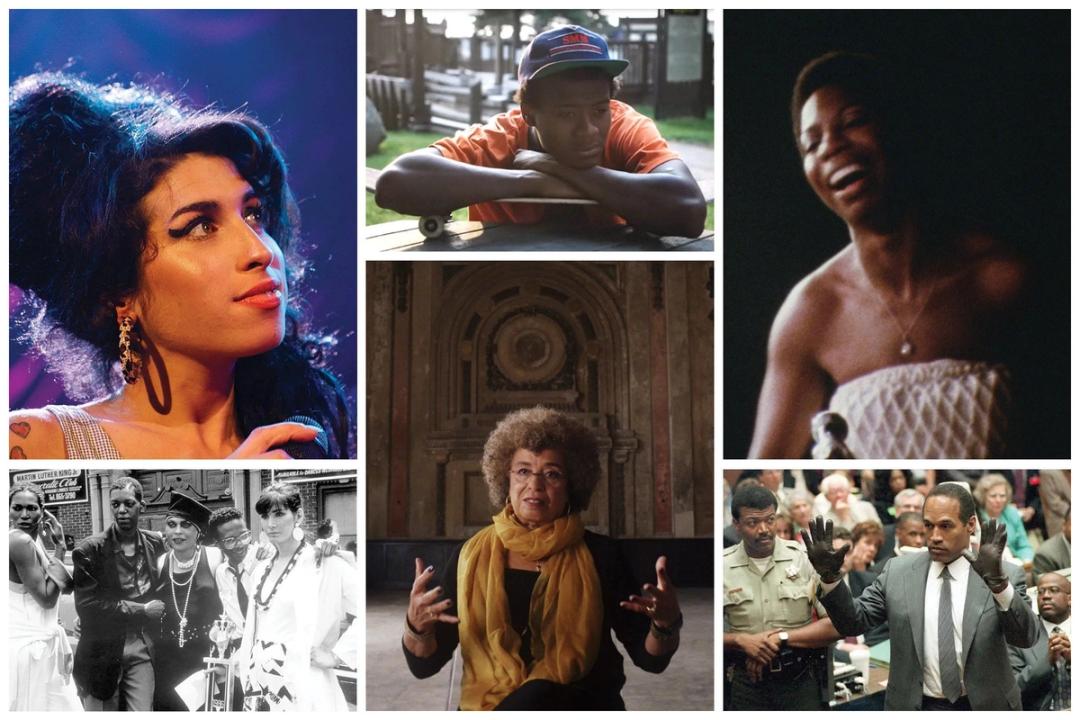
"When you see somebody on the screen in a documentary, you're really engaged with a person going through real life experiences. ... What a privilege to have that experience," said Albert Maysles, the renowned American documentary filmmaker.
This privilege, however, shouldn't be limited by language. Subtitling and dubbing are crucial for sharing powerful stories with a global audience. This inspires Ollang to offer localization solutions, combining AI and human expertise, to content owners across various genres.
In the upcoming sections, you'll delve into the expansion of the documentary film market, its rise on video streaming platforms, the unique features that define this genre, and how AI-powered localization is making these narratives accessible to audiences worldwide.
Growth Trends in the Documentary Film Market
According to Research Report World, the global market size for documentary films and TV shows reached USD 11,139.21 million in 2021, with projections to hit USD 15,184.58 million by 2027.
Emerging technologies and the continuous expansion of online content streaming are reshaping documentary production. Producers are experimenting with new styles to deliver more authentic and compelling stories, aligning with viewers' expectations. This shift reflects a dynamic evolution in the creation, distribution, and consumption of documentaries.
Reaching New Heights Through Video Streaming Platforms
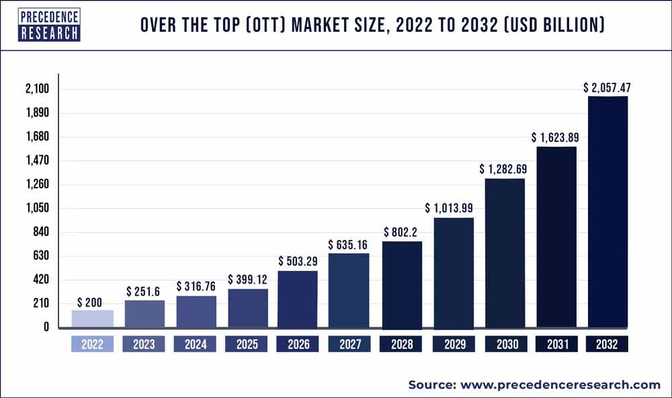
The OTT (Over-the-Top video) market is expected to hit around US$ 2057.47 billion by 2032, registering at a CAGR of 26.30% from 2023 to 2032. This expansive market encompasses subscription-based video on demand (SVODs), ad-supported video on demand (ADVODs), and transactional video on demand (TVODs). While these platforms may operate differently, they all aim to keep current subscribers and bring in new viewers by streaming top-notch content.
SVOD platforms, characterized by their flexibility, allow viewers to engage with content spanning six to ten episodes. A survey revealed a clear preference among respondents for episodic docuseries, with 53.40%, compared to feature-length documentaries, which garnered 36.30%.
As the number of video-on-demand providers continues to grow, competition intensifies, and subscriber retention becomes challenging. To address these challenges, Netflix and Disney+ have introduced ad-supported tiers with more cost-effective pricing. Another strategy involves producing original content with subtitles and dubbing in various languages, allowing streaming platforms to distinguish themselves in a crowded market.
The characteristics of the documentary genre
The genre now encompasses a wide range of productions, including films with archival footage, interview-based documentaries, direct-cinema documentaries, wildlife records, and portrait documentaries. The lines between these categories are often blurred, with producers frequently combining multiple strategies to craft narratives that are both authentic and engaging.
➔ Narrator’s voice
Every documentary producer's journey begins with developing a captivating idea or theme, aiming to narrate it convincingly while ensuring visual consistency throughout the film. In many documentaries, a single narrator takes center stage, often remaining unseen—an approach known as the voice-over mode. In this mode, the narrative is crafted from an omniscient perspective, providing a cohesive storytelling experience. A notable example of this style is evident in "Our Planet," a Netflix original documentary directed by David Attenborough.
While voice-over narration stands as the prevalent form in most documentaries, filmmakers leverage a variety of options to enrich their storytelling. They integrate archival footage, interviews, background music, photographs, and other visuals, including charts and graphics. This multifaceted approach allows for a nuanced narrative experience, engaging viewers on multiple levels.
➔ On-screen Texts
In documentaries, the presence of onscreen text serves various purposes, including identifying participants, presenting computer graphics like graphs, charts, and maps, and displaying still or rolling captions for disclaimers or updated information.
Filmmakers strategically employ onscreen text to convey their message in a more memorable manner, aiding the audience in retaining crucial information. This, however, introduces considerations for the localization process when adapting the film for different languages. Translators must discern whether the onscreen imagery or text is integral to the coherence of the theme and scene. If so, providing the equivalent text with subtitles in the target language becomes essential, ensuring a seamless and meaningful viewing experience for diverse audiences.
At Ollang, we take this seriously. If our partners provide guidance on localizing onscreen text, we upload it to our AI-powered system and inform our translators. If there’s no specific guidance, we focus on maintaining story consistency and meeting audience needs to make the best decision.
➔ Music and animation
Filmmakers carefully select music and sound effects that align with the tone of the setting or the emotions conveyed in a scene. When music includes lyrics, these lyrics can function as a commentary on the subject matter, adding another layer of meaning. Translators, much like with onscreen texts, must decide whether to translate lyrics into the target language. This decision depends on how crucial the lyrics are to maintaining the film's message.

Another notable feature in documentaries is the use of animation in the narration. This technique serves to clarify information or offer a distinct perspective beyond that of the narrator and speakers. Animation adds a dynamic element to the storytelling, contributing to a more engaging viewing experience for the audience.
Exploring Audiences Beyond Domestic Borders
Translating films to match local languages and cultural nuances is the most effective way to make content resonate globally. This accessibility not only benefits the business but also ensures everyone has access to diverse genres, including documentaries.
A notable example is W4tch TV, a French-based company with an extensive catalog of documentaries. They chose to translate their content from French to English, thus granting access to significant historical records for the English-speaking world. By utilizing Ollang's AI-powered dubbing in their localization efforts, they enjoyed the dual benefits of saving time and reducing costs.
AI-powered subtitling and dubbing solutions offer distinct advantages. This technology yields superior results, especially for content with a single or a couple of narrators, common in many documentaries. AI-powered voice-over or lip sync dubbing, or a blend of both, enables filmmakers and distributors to efficiently repurpose their films for global audiences. The shortened turnaround times, reduced production costs, and reliable, accurate outcomes make this technology increasingly preferable.
Subtitling & Dubbing with AI-powered Solutions Help Overcome Challenges
Localizing documentaries through subtitle translation and dubbing presents unique challenges. Deciding the right market for distributing localized content, alongside concerns about budget, time constraints, and quality, adds complexity. The challenge of finding a reliable localization solutions partner further complicates the process. Producers and distributors must navigate these challenges thoughtfully to ensure valuable stories reach diverse audiences worldwide.
With Ollang, filmmakers and content owners can utilize AI subtitling and dubbing. You have the option of our SaaS model, where you can subscribe to monthly or yearly plans and access a suite of AI tools and project management features. Alternatively, opt for our human-involved services for a more refined result - the choice is yours based on your needs and resources. We prioritize speed and affordability, while also ensuring quality and immersive viewing experiences. Our platform and experienced partnership team are here to support you in overcoming language barriers.