

The language barrier is what a translator or an interpreter tries to eliminate when presenting closed captions and subtitles. But is it truly possible to be successful every time? Can the cultural difference, honorifics, colloquialism, and jargon be perfectly translated? It purely depends on the skills of a translator, who will contribute to the success or downfall of a translated piece.
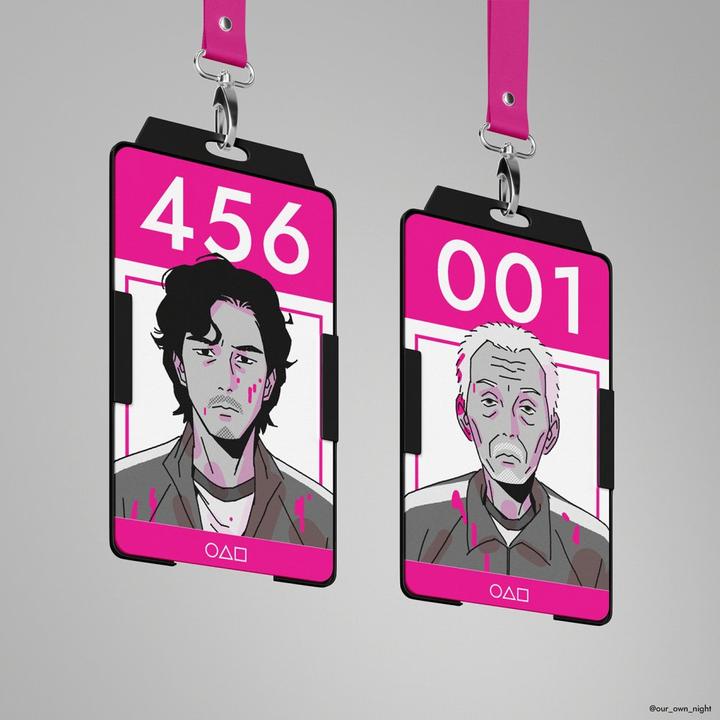
Not losing the original meaning in the translation process and presenting the emotions as projected in a documentary, film, or series is not a piece of cake. That can be well understood in the case of one of the most-watched and most-popular survival series called "Squid Game."
This nine-episode series rocked the world with its gory scenes that time and again made one realize the complexity of class differences, structural imbalances, and how the human condition plays into it all. Though, despite its success, gathered a lot of criticism from English natives, especially the Korean-English speakers, who pointed out the difference in the closed captions and subtitles featured on Netflix.
What went wrong with the Squid Game series’ translation & closed captions?
According to different sources, the problem with Squid Game's English translation was that it could not justify the exact feelings expressed in the series. Korean translators opine that some of the words are difficult to translate. Indeed, as English and Korean are vastly different languages sometimes the former may lack words that can properly convey cultural terms.
A striking example is a use of "honorifics," something we don't find in the English language. For those unfamiliar with the term "honorifics:" These are words used to convey respect, courtesy, and honor to a person of a rank or as respect toward them in society. While in English, we simply address a person with “Mr.” or “Ms.”, in Korean, there are varying degrees of formality that are intricately used to different individuals.
Korean dramas as a whole make use of a lot of honorifics, and Squid Game certainly is no exception. Since these words lacked appropriate translations in the English language, it made the series sound rather awkward to some. Many Korean-English speakers took to social media to express their dissatisfaction with the translation and subtitles features on Netflix, claiming that many of the characters’ true intentions and emotions were lost in translation.
Social media went abuzz where people highlighted that as honorifics were missing, sensitive feelings in the series were not expressed and lacked that connection cord between the viewer and the story. The Korean sentiments took a setback due to the poor subtitling of the gory series.
Subtitles have to fit in quite a limited space. In the case of translations, we can add footnotes and annotations, but for subtitles, we don't have that choice.
When you are watching a screen, you are looking at a subtitle that matches the exact rhythm of the original language. It makes the job of translators and interpreters extremely difficult as they have to follow the flow of the original language and present subtitles that would both fit in that space and deliver the intended message. Unfortunately, due to the language barrier and cultural differences, the subtitles of Squid Game lacked behind in expressing the meaning well in some places of the series. Though, a good part of the series was subtitled well enough to make the series a hit and top the charts for quite many days, increasing the profit of Netflix more than expected.
Where the Importance of Accurate Translation Lies within a Globalized World
With the popularity of Korean culture and its media booming across the globe, it’s extremely vital for different cultural messages to be delivered as accurately as possible. When done right, proper translation and subtitling can take a show to new heights. For a series to grow past its popularity within its origin country, extra measures should be taken to consolidate success internationally.
Subtitling and translation are keys to the global success of a series, documentary, or film belonging to a foreign language. People enjoy watching and having a good time with their near and dears in their own language, which is why we can't ignore the power of translation when it comes to making a global mark and expanding revenues. For viewer satisfaction, trust, and credibility, both subtitling and translation play an extremely vital role which is indispensable.