


In the vast landscape of freelance translation, choosing a specialization is more than just a strategic move—it's a key to unlocking a world of opportunities. As you embark on this journey, it's crucial to understand the dynamics of the industry and how your expertise can make a significant difference. Let's delve into the importance of specialization and provide practical insights on how to carve your niche.
Why Specialize?
Freelance translators often stand at the crossroads of diverse fields, from legal and literary to technical translation. While versatility is commendable, there's a compelling case for specialization. Focusing on a particular domain elevates your skills and opens doors to projects uniquely tailored to your expertise.
Furthermore, in today's information-rich world, clients look for translators with not just a grasp of their content but also a deep understanding of their industry. Specializing provides a clear perspective for translators to interpret and convey the nuances and specific terminology unique to their chosen field.
Specialization is at the same time about finding joy and satisfaction in the work you do, opening doors to a diverse array of projects that align with your passion and expertise.
Practical Tips: Navigating the Specialization Maze
1. Immerse Yourself: Deepen your understanding of your chosen field. Stay updated on industry trends, follow thought leaders, and immerse yourself in the subject matter. The more you dive in, the better equipped you are to handle the nuances of your specialized content.
2. Education is Key: Consider taking specialized courses to augment your knowledge. Online platforms offer a wealth of resources to enhance your skills in legal, literary, or technical translation. Invest in your education to invest in your future.
3. Time is Precious: Guard your time wisely. Concentrate on areas aligned with your specialization to maximize efficiency. Focusing your efforts ensures that you stand out as an expert in your chosen niche.
The Digital Wave: Subtitling and Dubbing Take Center Stage
In today's digital era, the demand for subtitling and dubbing has reached unprecedented heights. Social media platforms and streaming services have become ubiquitous, creating a massive appetite for translated content. Embracing these fields as your specialization is not just a strategic move; it's a response to the evolving landscape of content consumption.
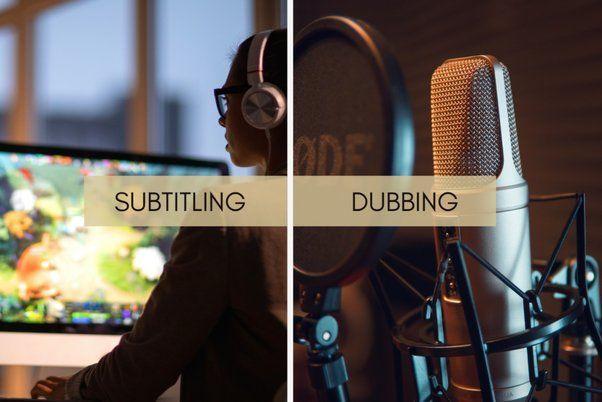
Moreover, it’s worthwhile to consider narrowing your focus within subtitling or dubbing. Certain genres, such as documentaries and animation films, present unique challenges and opportunities. Specializing further not only refines your skills but also allows you to cater to specific client needs.
AI and Human Expertise Unite
Choosing a specialization is more than a strategic move—it's a commitment to excellence. As you navigate this path, remember the symbiotic relationship between AI and human expertise, and the pivotal role of post-editing in delivering unparalleled quality. AI-enabled project management platforms like Olabs streamline the translation process, fostering efficiency and collaboration among translators, clients, and vendors. This collaborative approach enhances the quality of translated content, instilling trust among clients and elevating the freelance translator's reputation as a specialist in the related area.