


YouTube viewership is undergoing a significant shift. This is evidenced by the staggering statistic that viewers are now surpassing 1 billion hours daily on TVs worldwide.
Interestingly, this growth isn't solely driven by YouTube TV, their paid subscription service. The majority of viewers are enjoying YouTube's free, standard service on their TVs. YouTube has a significant advantage here. As a platform built on user-generated content, it doesn't need to invest heavily in original content, unlike traditional streaming services. Recent estimates suggest that YouTube TV subscriber numbers are also on the rise, reaching around 6.5 million as of Q3 2023.
But what drives this growth? How does YouTube Shorts fit into this TV picture? And most importantly, why is localizing your videos through subtitles and dubbing crucial to reach a wider audience?
Dive deeper with us as we explore these questions and more.
Your Living Room is Becoming a YouTube Haven
The increasing popularity of watching YouTube on TVs isn't accidental; several factors are driving this significant growth.
➩ Bigger is Better: Larger screens offer a superior viewing experience, especially for content like documentaries, gaming videos, and educational content. Watching a detailed tutorial or getting lost in a breathtaking travel vlog is simply more immersive on a bigger screen.
➩ Seamless Switching: Improved app accessibility on smart TVs and streaming devices makes switching to YouTube effortless. This seamless integration removes any friction for viewers who want to enjoy their favorite YouTube content on the big screen.
➩ Changing Habits: As we spend more time at home, the desire for "lean-back entertainment" on the big screen is growing. YouTube, with its vast library of content across various categories, caters perfectly to this desire.
Nielsen's report on streaming in the US shows YouTube has been the leader in watch time for the past 11 months. Recognizing this trend, creators like Ms Rachel and SypherPK are optimizing their content for the living room, where a growing segment of their audience is watching.
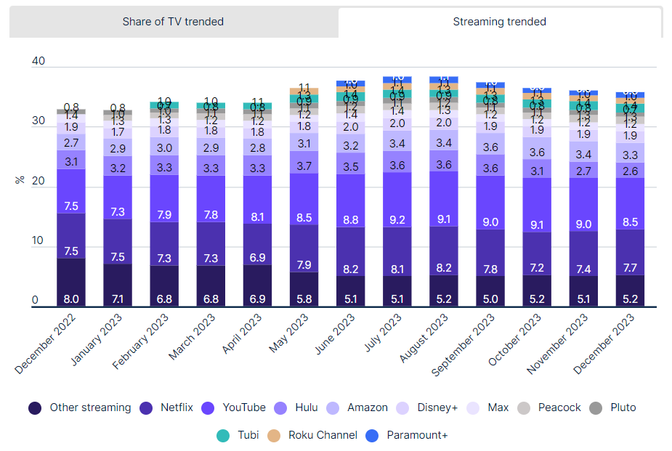
With its diverse content library, user-friendly platform, and growing TV viewership, YouTube is poised to continue its dominance in the streaming space.
YouTube Shorts on TV
While long-form content like documentaries and tutorials are finding new life on TV screens, YouTube's bite-sized entertainment, Shorts, is making a splash as well. With over 70 billion daily views and a 50% year-over-year increase in channels uploading Shorts, it's clear that this format is captivating audiences.
YouTube is no longer just an online complement to traditional TV; it's becoming a primary video content choice for many, especially younger generations. This trend is further emphasized by the over 100% growth in YouTube Shorts views on connected TVs over the past year.
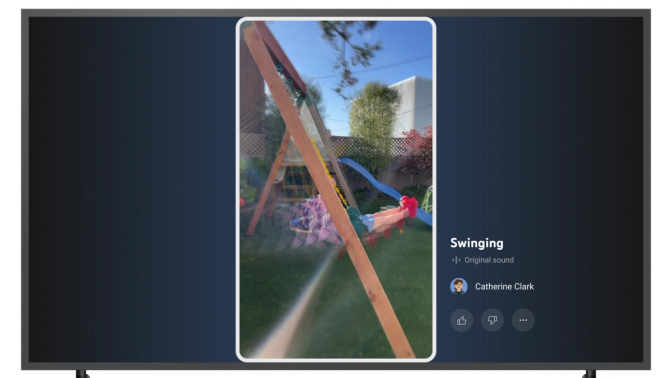
Recognizing this potential, YouTube meticulously customized the Shorts experience for TV viewers. Through testing and experiments, they landed on a design that:
✦ Fills in the sides of the video with a colored background.
✦ Adds a smartphone-like outline around the video.
✦ Offers additional information like creator details, sound used, and like/dislike buttons when the user clicks right on their remote.
In this rollout, navigating Shorts on TV is intuitive, allowing you to start/stop playback directly on the Short or by using the remote's Play/Pause buttons. You can scroll through Shorts using the up/down buttons to discover new content.
With bite-sized content thriving on TV, YouTube is further solidifying its position as a dominant force in the entertainment landscape, catering to a diverse audience with varied viewing preferences.
How Localization Fuels YouTube's Global Takeover
While the big screen plays a crucial role in YouTube's TV viewership boom, another key ingredient fuels its success: localization.
Kajabi found out that 42% of creators made $10,000 or less, with approximately 22% earning less than $1,000 within a year. To break through these income barriers and achieve greater success, creators need to harness the potential of content localization. By making your content understandable to a wider audience, you unlock massive potential for new viewers and subscribers, expanding your reach and boosting your channel's growth.
Take inspiration from Marina Mogilko, co-founder of Linguatrip and driving force behind the Linguamarina platform. Her diverse content, from Tesla tips to US insurance explainer videos, offers the perfect opportunity to connect with a global audience in their native languages. She collaborated with Ollang, using our dubbing solutions, to launch dedicated YouTube and TikTok channels in Italian, Spanish, and German, maximizing engagement and reach.
Localization benefits creators in several ways:
➊ Brand expansion and connection: Dubbing your videos allows you to break into new markets while ensuring your brand voice and identity remain consistent, fostering recognition and trust among viewers.
➋ Higher audience retention rates: Localized content is more relatable and accessible, leading to higher audience retention rates and increased watch time.
➌ Better ad revenue: With a wider and more diverse audience, you unlock more opportunities to monetize your content through ads, sponsorships, and affiliate marketing.
➍ Accessibility: Monolingual captions and subtitle translations also cater to viewers who may not be able to listen at the time, as many watch videos with subtitles only. This expands your reach to a wider audience who prefer subtitles for various reasons.
Engaging a Global Audience with AI-Powered Video Localization

According to YouTube, two-thirds of a creator's watch time comes from outside their home region. This highlights the massive potential that lies in reaching a global audience.
However, traditional methods often come with a hefty price tag and lengthy turnaround times, hindering many creators from venturing into localization.
Fortunately, AI-powered solutions are revolutionizing the landscape. These tools use sophisticated algorithms to translate and generate subtitles or dubbed versions of your videos in various languages.
AI offers several key advantages. It significantly reduces localization time, allowing creators to reach their global audience quicker. AI solutions are considerably cheaper than traditional methods, making localization accessible to creators with smaller budgets.
While AI handles the heavy lifting, many solutions offer human intervention and editing, ensuring the final product remains accurate and culturally appropriate.
These advancements are empowering creators to:
➩ Tap into a broader viewer base, increasing potential for growth and engagement.
➩ Foster meaningful connections with viewers worldwide, regardless of language barriers.
➩ Dedicate more time and energy to producing engaging and informative content.
Choosing the right approach
The ideal localization approach depends on several factors, including:
➊ Audience specificity: Who are you trying to reach?
➋ Visibility level: Internal or external usage?
➌ Language needs: Specific language requirements.
➍ Volume of content: How much content needs localization?
➎ Content complexity: Straightforward or nuanced message?
AI-based workflows may be suitable for instructional videos or training content with simple messaging. However, for highly creative or nuanced content, a human-centric approach might be more appropriate.
YouTube’s Efforts: YouTube is actively working to streamline the internationalization process for creators. The multilingual audio track tool is a prime example.
Previously, creators needed to upload each localized version of a video individually. Now, all languages are centralized in a single video, allowing viewers to choose their preferred language. This has proven to be highly effective in streamlining production and increasing viewership.
However, the option of creating separate channels for each translated language remains a viable strategy. For example, Federico ‘Panda Boi’ Hu successfully localized his content into Arabic, Italian, and Spanish channels using Ollang's hybrid dubbing solution and OLabs platform.
Federico's success story shows how he achieved a 200,000 subscriber surge in just six months across his Arabic and Italian channels.
By providing a spectrum of services from full AI dubbing to hybrid dubbing, platforms like OLabs empowers creators to reach a broader audience, forge deeper connections, and achieve greater global success.
The Future is Big (and Localized) for YouTube on TV
Subtitles and dubbing are acting as bridge builders, making YouTube content accessible to a global audience. This benefits both viewers, who gain access to a wider range of content, and creators, who can reach new viewers, build deeper connections, and potentially see increased engagement.
The emergence of AI-powered localization solutions further empowers creators by offering faster, more cost-effective ways to reach global audiences. These tools put the power of a global viewership within reach of creators of all sizes.
Looking ahead, it's evident that YouTube on TV is here to stay, and localization will play a central role in its continued success. By harnessing the combined power of big screens and accessible content, YouTube is positioned to become the go-to entertainment destination for viewers worldwide.